
It’s my last day of work for the year. I was scheduled to have Friday off, but there were too many tasks left on my list. So I am wrapping things up on the train on the way to the Swiss Alps.
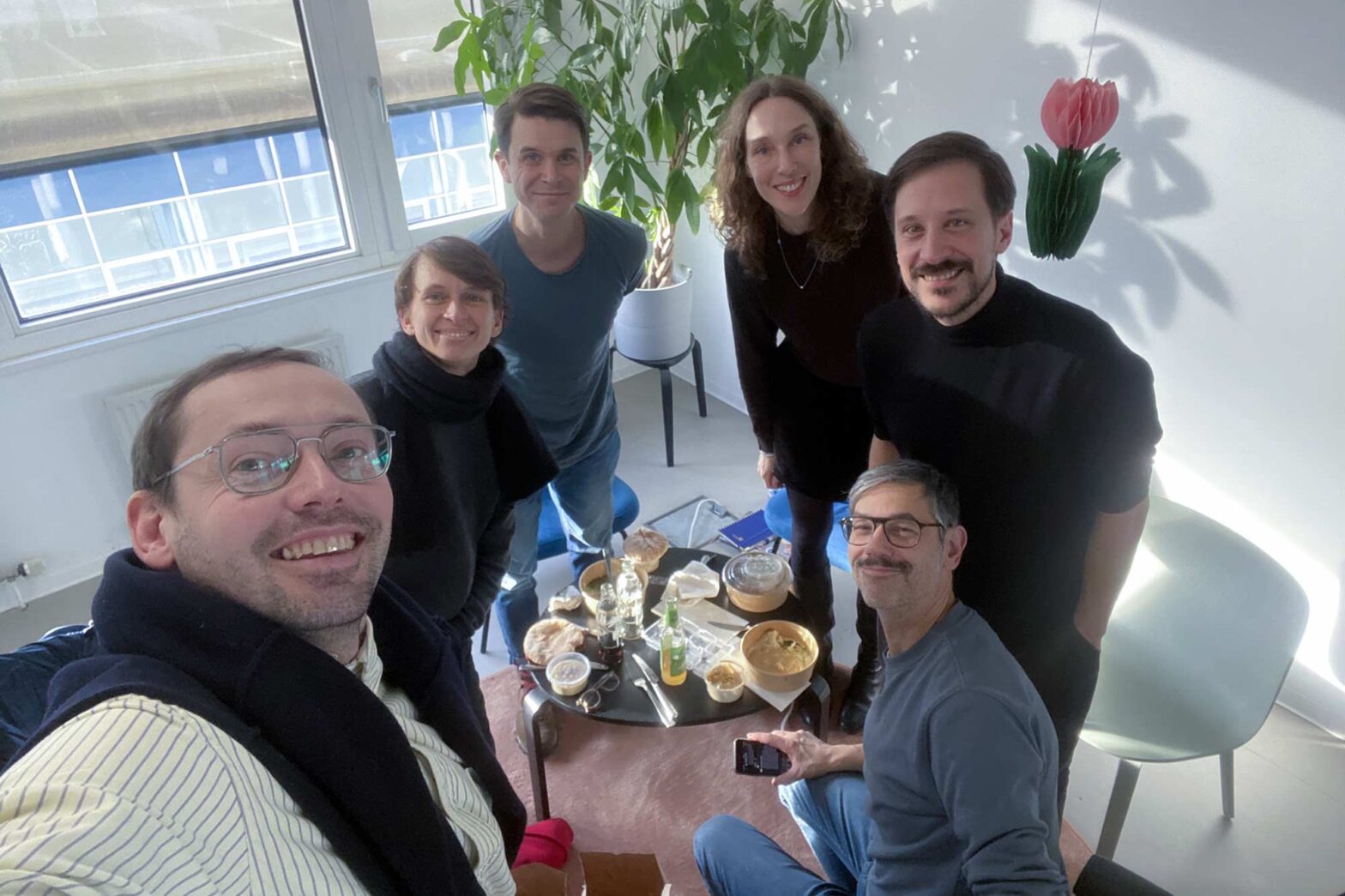
On Thursday, for lunch, we, as delivery heads, got together with our CPO Stephanie to sign off the year with a chatty meal.
We all agreed that it was an intense 2025, and we felt stretched thin. We also anticipate that 2026 won’t be any more relaxed than it has been, as we started working on some more high-profile work with the digital ministry.
With further growth in our disciplines in the new year, we need to find effective ways to scale well. Some of us, as delivery heads, have 10 directs, and that is not sustainable.
The engineering discipline began discussing a new career-path model and competency matrix on Thursday, which engineering co-head Mike architected. It looks at ‘career’ through the lens of learning, growth, impact, recognition, and reward. It shows people different pathways. Mike has been sharing snapshots of this work with me over the past few weeks, and we have discussed which good chunks of the framework apply to our discipline and where our setup differs.
In the new year, Charlotte, Sonja, and I will work through the framework through our discipline’s lens and share it with the designers and user researchers within the next quarter. That is relevant and timely, as ‘I believe there are good career opportunities for me at DigitalService’ is the statement ranked lowest in our engagement survey. What is noteworthy: there is a significant spread in responses, indicating that some see good-to-great career opportunities in the organisations, while others don’t.
I will drill deeper into the data. One hypothesis I have is that how people interpret the questions and their understanding of ‘career’ significantly impact the survey results.
Putting our view on service out
My colleague Sabrina and I have sketched at least 3 versions of a blog post on services, service design and service thinking in the past 2 years. None was ever finished.
With the incredible support of our comms team colleagues, we got the blog post over the finish line just before the end of the week. It’s titled “How good services strengthen trust in the state – and how we design them”.
In essence, there are only a few fundamentally new things in the post. We establish a service lens that we have not yet covered in any earlier blog post. So, it was about time. In the almost 2,000-word piece, we write about looking at them holistically, front-to-back, and across channels. The main argument we make is that the service experience of users, citizens and residents is a make-or-break factor for trust in the state and its institutions. Backed by data from D21 and the OECD, we have sound evidence now for these claims.
The blog post quotes much of what I have learned from exchanges with the OECD and the European Commission over the past few weeks.
There are multiple audiences for the blog post. One audience is mid-level civil servants responsible for services at the federal, state, and municipal levels. We like to shift their view on services. Another audience is broader, more general, and potentially overlapping with the first: people involved in the push for better services aligned with the modernisation agenda. That group may also include people in think tanks and other entities. Our work around the Service Standard as well as adjacent work is referenced in the agenda, and it’s powerful to see civil servants from across the country getting together to discuss the state of service quality.
A third audience for the blog post is applicants and people interested in working for and with us. We need to convey our views clearly. This week alone, I interviewed 4 candidates for UX and service design roles. We have now answered the questions candidates had in the blog post, and we have also prominently linked it in the open service design position, so people can find it and read it before applying for the role and asking general questions about our understanding of services and service design.
The blog post is also important because it contextualises and anchors some of the more operational work on and around the Service Standard. Especially in Germany, there is no common understanding of service. Sometimes, I use the terms ‘Dienst’, ‘Leistung’, and ‘Service’ interchangeably. That is not helpful. We are working toward a more precise articulation and clearer terminology.
One sentence I had to insert in the post is from Tero. He puts products and services in relation to their impact or deliverables, respectively.
On social media, it received some likes but no other responses. On our internal Slack, it sparked a discussion. There, I admitted that some dimensions aren’t considered in Tero’s framing. One is service-dominant logic, in which goods/products are means of rendering self-service. This is a potential rabbit hole – and a more extended discourse internally within the design and product discipline. It might be good to have an afternoon exchange sometime in the first quarter.
What’s next
Not much.
I plan to go through my hopes for 2025 and recap the year next week. So I will not lose my streak here.
Otherwise, I will be mostly skiing, eating, and sleeping.